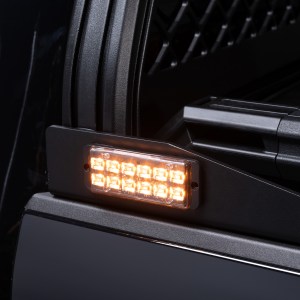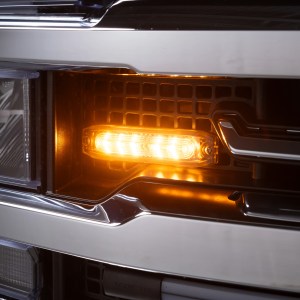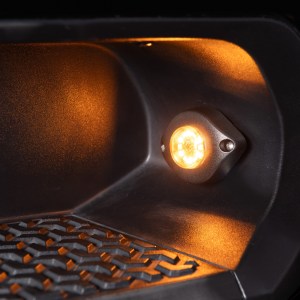
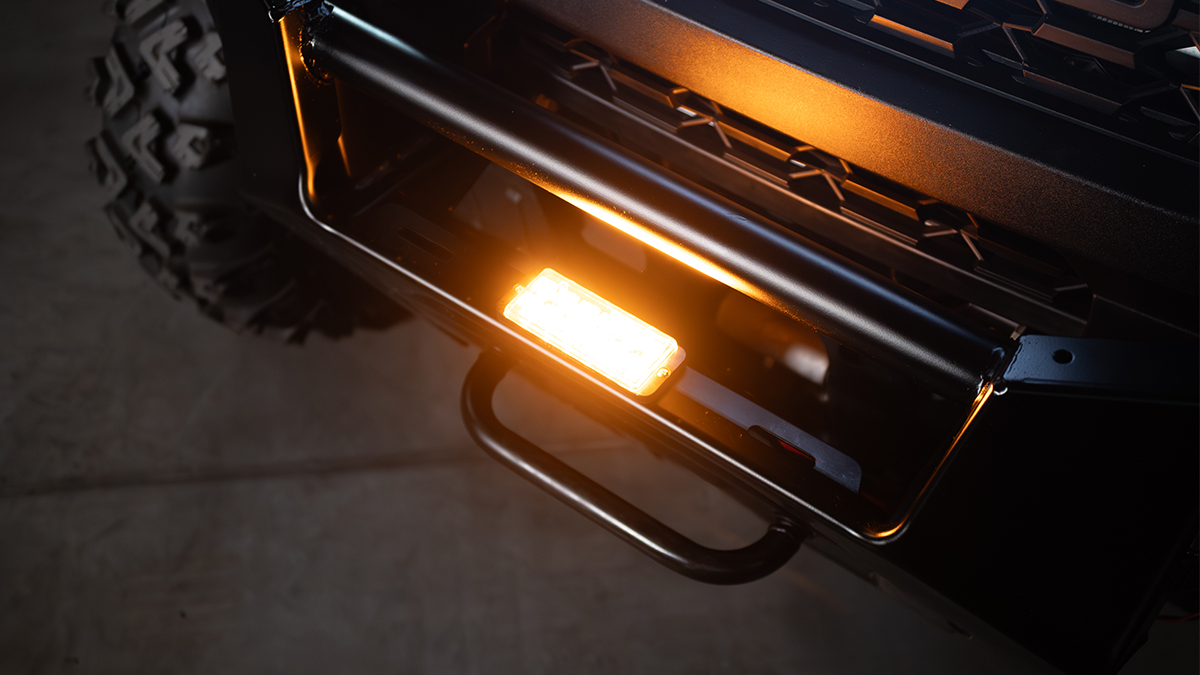
Which amber + white dual row strobe light should you buy?
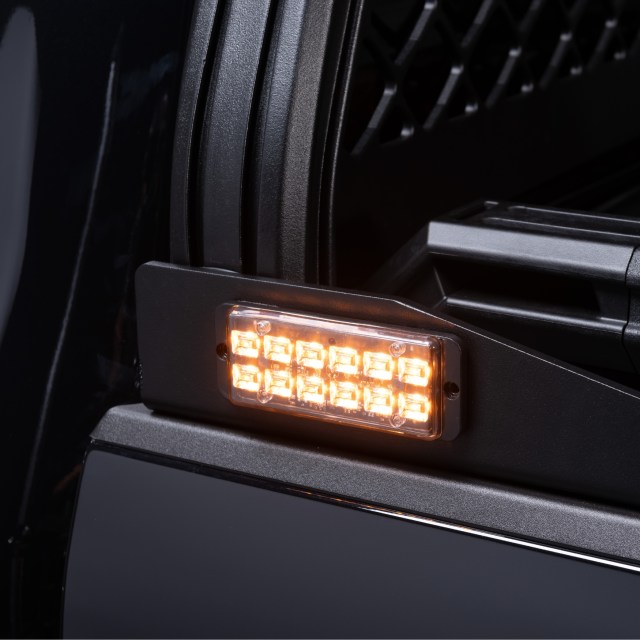
If you are deciding between the Stinger PRO 12 (960205) and the Buyers Products Thin Dual Row (8892602), you are looking at two dual-row LED strobe lights built for the same types of installs.
Both are commonly used for:
- – work truck strobe lighting
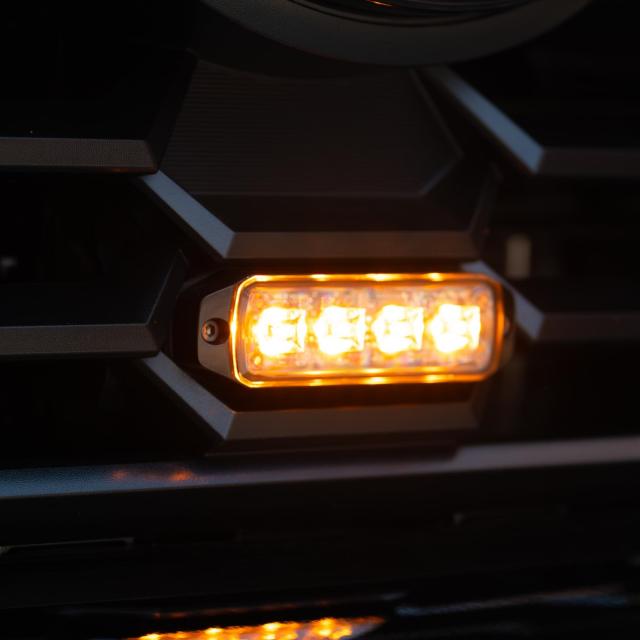
- – grille strobe lights
- – bumper-mounted warning lights
- – headache rack and service body installs
They are close in price, similar in overall size, and designed to mount in the same locations on a truck. Because of that, this is not a fitment decision.
The real question is which one makes more sense for your setup.
The difference comes down to how each light is built, how it performs in real-world conditions, and howon comes down to how they are built, how they perform, and how much control you want after installation.
1. Build Quality and Housing
Stinger PRO 12:
- – Die-cast aluminum housing
- – IP69K rated
Buyers 8892602:
- – Aluminum housing
- – IPX8 waterproof rating
What actually matters:
Both use aluminum housings and are built for exterior mounting, but the sealing standard is different. IP69K is designed for high-pressure washdowns, while IPX8 focuses on water immersion.
When this matters:
On trucks that go through car washes or frequent washdowns, snow plow use, or jobsite exposure like oilfield service trucks and municipal fleet vehicles, the higher sealing rating of the Stinger PRO 12 becomes more relevant. For general contractor trucks, trailers, and light-duty fleet vehicles that see standard weather exposure, both lights will perform reliably as surface-mounted LED strobe lights.
2. Size and Mounting
Stinger PRO 12:
- – 5″ x 1.87″ x 0.53″
- – 4.56″ mounting hole spacing
- – Includes foam gasket
Buyers 8892602:
- – 4.5″ x 1.71″ x 0.35″
- – 4.1″ mounting hole spacing
- – Includes grommet/base
What actually matters:
The Buyers unit is slightly smaller and thinner, but the difference is minimal. The more important difference is mounting flexibility and spacing.
When this matters:
For tight installs like grille strobe lights, bumper pockets, or compact surface-mount locations on service bodies, the thinner profile and shorter width of the Buyers light can make placement easier. For standard installs like headache racks, flatbed toolboxes, utility truck bodies, and rear-facing warning lights, both lights mount cleanly. The different hole spacing can matter when replacing existing strobe lights or matching pre-drilled mounting patterns.
3. Flash Patterns and Control
Stinger PRO 12:
- – Amber + White
- – 48 flash patterns
- – 12 TIR LEDs
- – Memory recall
Buyers 8892602:
- – Amber/Clear
- – 25 flash patterns
- – 12 LEDs
- – Memory recall
What actually matters:
Both lights support synchronous and alternating flash patterns, but the number of patterns and how you control them is different. The Stinger PRO 12 also uses TIR optics to better control and direct light output, while the Buyers light uses a more standard LED output design.
When this matters:
On installs like multi-light work trucks, tow trucks, or snow plow setups where you are running multiple surface-mount strobe lights across the front grille, rear bumper, and sides, the additional patterns, more controlled light output, and easier control of the Stinger PRO 12 make it easier to dial in a consistent and visible warning setup. This is especially noticeable in daytime use or higher-speed roadside environments where forward-facing grille strobe lights need to be recognized at a distance.
The Buyers light works well for straightforward installs like trailer strobes, rear warning lights, or simple two-light configurations, where you set the pattern once and leave it, and where close-range visibility is the primary goal.
4. Voltage Compatibility
Stinger PRO 12:
- 12–24V compatible
Buyers 8892602:
- 12–24V compatible
- 0.78A draw at 12V
What actually matters:
12–24 VDC compatibility means the light can operate on both 12V and 24V vehicle electrical systems, but most installs are still built around 12V switch panels, upfitter switches, relays, or auxiliary controllers.
In a typical pickup truck strobe light install, the lighting system is powered and controlled through a 12V circuit, even if the light itself supports a wider voltage range. Because of that, both lights function the same in standard truck strobe light wiring setups, where everything is tied into a 12V control system.
Where 12–24 VDC actually becomes useful
The wider voltage range becomes relevant in applications like:
- 24V trucks and heavy-duty vehicles (semi trucks, fleet vehicles)
- Trailers with independent electrical systems
- Construction equipment and off-road machinery
- Mixed fleets running both 12V and 24V systems
In these scenarios, the ability to run the same LED strobe light across different voltage systems eliminates the need for converters or separate SKUs.
Final Verdict
Choose Stinger PRO 12 if:
- You want higher sealing for cleaning or harsher environments
- You need more flash pattern options and easier control across multiple lights
- You are building a multi-light strobe system on a work truck or service body
Choose Buyers 8892602 if:
- You need a slightly thinner light for tighter mounting locations
- You want a simple, hardwired strobe light
- You are working across trailers or mixed 12V and 24V equipment
Bottom line:
These two lights are close in price and designed for the same types of installs, but they are built with slightly different priorities. The Stinger PRO 12 focuses on durability, system control, and TIR optics that produce more focused, directional light for improved visibility and recognition, especially in daytime and higher-speed roadside environments. The Buyers light focuses on a more compact design and straightforward operation for general-purpose strobe lighting where close-range visibility is the priority.
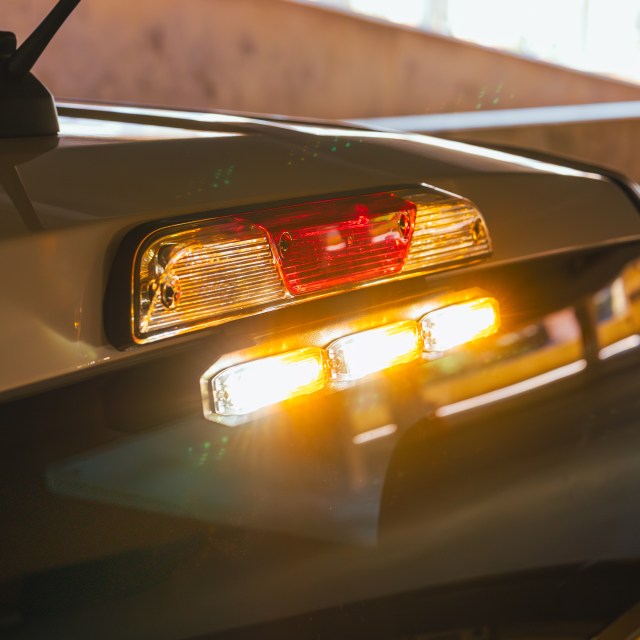
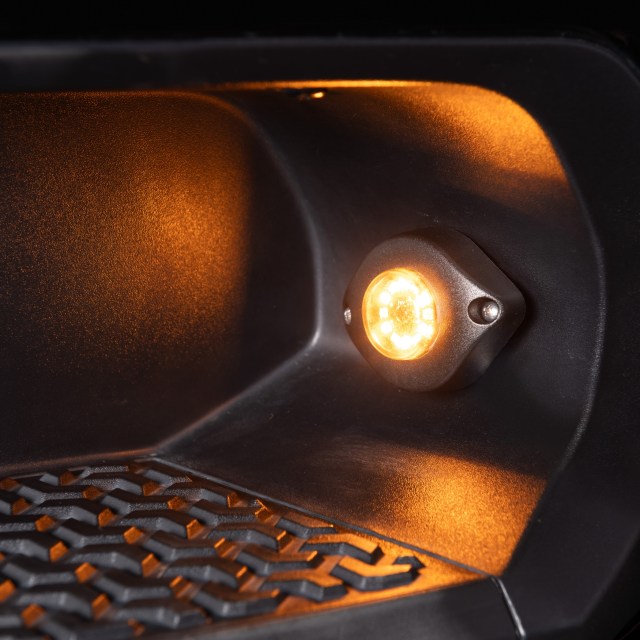
See It For Yourself!
Explore More Stinger Guides
- – New Product: Stinger Grille Brackets
- – New Product: Stinger Chase Light Kit
- – Putco Stinger vs Stinger PRO vs Stinger PRO Hideaway: Which One Do You Need?
- – Stinger 950204 vs PrimeLux PSW0612A Strobe Lights
- – How to Install Stinger LED Lightheads on a Truck
- – Putco Stinger LED Strobe Lights FAQ