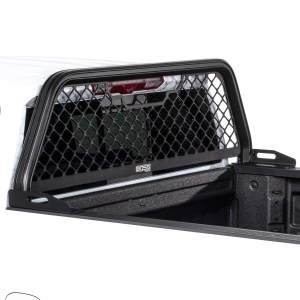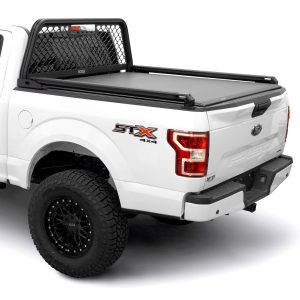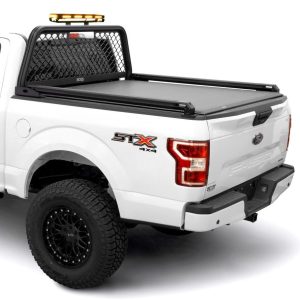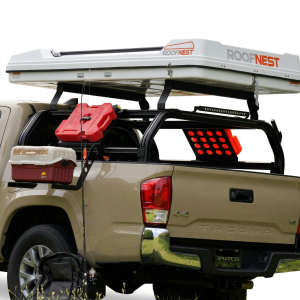
Headache racks are one of the most misunderstood truck accessories, largely because the term is used across multiple rack systems that vary in design, function, and purpose. Depending on the setup, they can serve as cab protection, cargo support, accessory mounting platforms, or styling elements.
This guide breaks down the different types of headache racks, how they compare to related truck rack systems, and how each design is used in real-world applications. The goal is to help clarify where these categories overlap, where they differ, and how to choose the right setup for your truck.
What Is a Headache Rack?
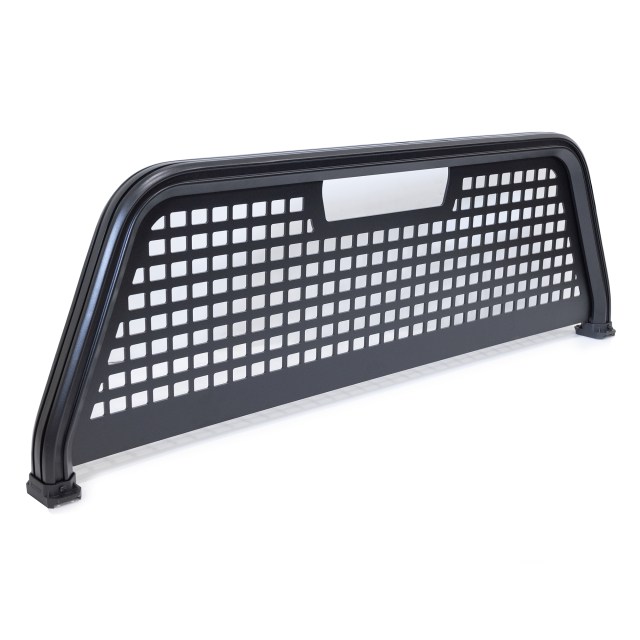
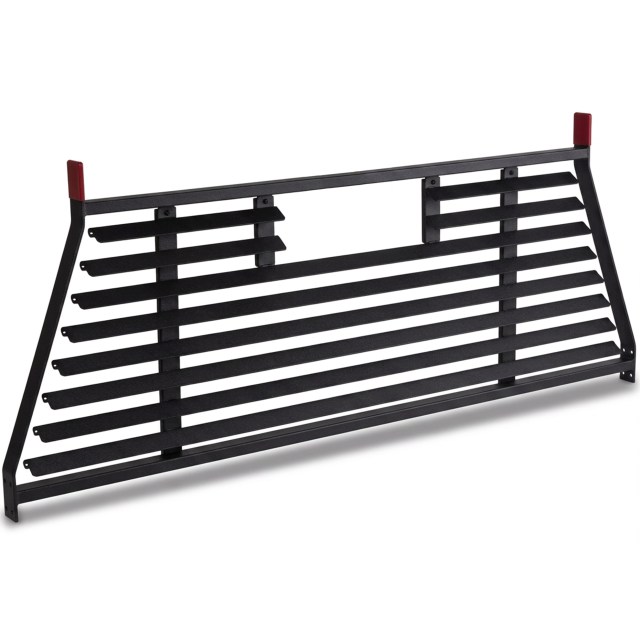
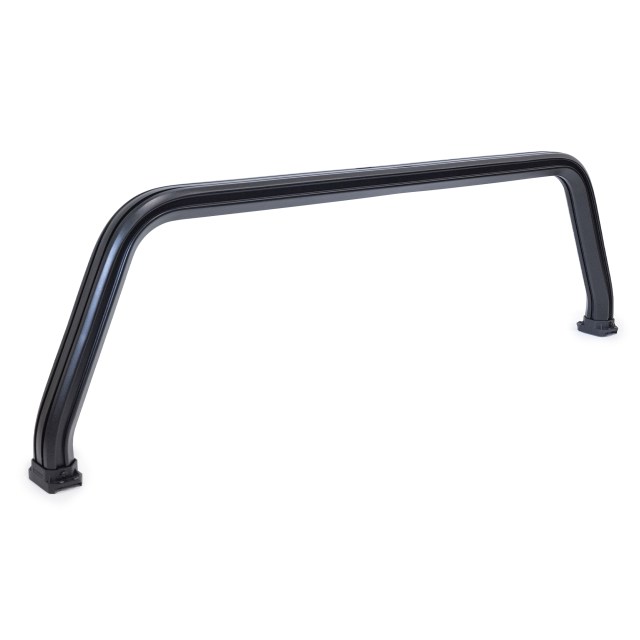
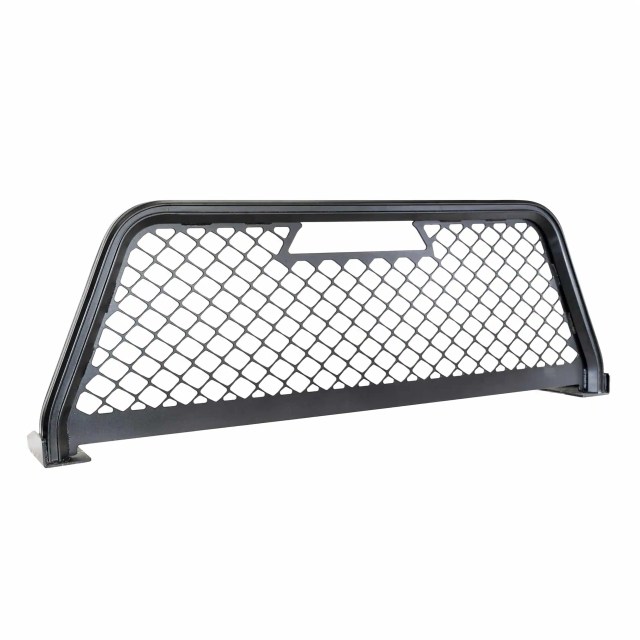
A headache rack is a protective structure mounted directly behind the cab of a pickup truck. Its primary purpose is to help shield the truck’s rear window and cab from contact with cargo, equipment, tools, and oversized materials carried in the bed.
Today, headache racks serve several purposes:
- – Rear window and cab protection
- – Cargo containment support
- – Long-item support
- – Accessory mounting
- – Tool organization
- – Auxiliary lighting integration
- – Tie-down functionality
- – Off-road gear storage
- – Truck customization and styling
What Does a Headache Rack Protect Against?
Headache racks help reduce common hauling and transport risks by creating a barrier between the cab and cargo area. From shifting equipment and long materials to off-road gear movement and rear window impacts, they add protection and control for a wide range of truck uses.
Contact With Cargo
Heavy equipment, toolboxes, generators, lumber, coolers, pipes, and loose cargo can bounce, fall, rock and vibrate causing damage during:
- – Hard braking
- – Rough terrain
- – Potholes
- – Sharp turns
- – Sudden acceleration
- – Collisions
- – Loading/Unloading
- – Normal driving over time
A headache rack creates a barrier between cargo and the cab, helping prevent cracked windows, chipped paint, scratches, and other damage.
Long Materials
Ladders, conduit, pipe, lumber, and kayaks often extend beyond the bed.
A headache rack helps by:
- – Eliminates need to rest materials on cab
- – Providing elevated support points for strapping cargo
- – Allowing the tailgate to remain closed in many setups
- – Reducing cab contact from shifting load angles
- – Improving load stability during turns and uneven terrain
Off-Road Gear Movement
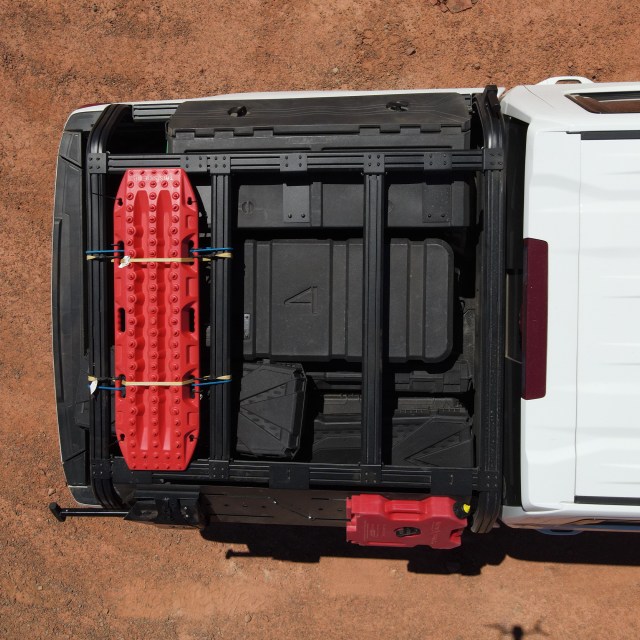
On rough terrain, recovery boards, fuel packs, spare tires, and camping gear can shift aggressively, risking damage to both the gear and the truck.
Headache racks help secure equipment in place and improve organization by providing structured mounting and tie-down points.
Rear Window Damage
Replacing rear cab glass can be expensive and inconvenient, especially on modern trucks equipped with integrated electronics, defrosters, antennas, cameras, and sliding rear windows. Even trucks without these features still rely on rear glass that can be costly and time-consuming to replace. A headache rack adds another layer of protection against accidental impacts and shifting cargo.
Why Is It Called a Headache Rack?
One of the most searched questions surrounding these products is: “Why is it called a headache rack?”
The term originated in commercial trucking and work truck applications, where unsecured cargo or equipment could shift forward and strike the rear of the cab during sudden movement or impacts. The rack was designed to act as a protective barrier, essentially serving as a “headache-prevention rack” intended to help prevent serious injury and costly damage. Over time, the shortened term “headache rack” became the standard name used across commercial trucks, work trucks, and pickup applications.
A widely repeated industry anecdote also suggests the name comes from mechanics and contractors who accidentally stood up in truck beds and hit their heads on the rack itself, resulting in a very literal “headache.”
For decades, headache racks have prevented a variety o from contacting the cab area.
- – Pipes and conduit used in construction or utilities
- – Lumber, fencing, and building materials
- – Landscaping tools, garden equipment, and yard supplies
- – Agricultural gear such as feed bags, fencing posts, and small implements
- – Outdoor and recreational cargo like coolers, camping gear, and recovery equipment
Other Names for Headache Racks
One of the biggest areas where distinctions become less clear is the number of names used throughout the truck industry for similar cab-mounted rack systems.
Depending on the manufacturer or use case, a headache rack may also be called:
- – Cab rack
- – Cab guard
- – Truck rack
- – Protector rack
- – Window guard
- – Cab protector
- – Utility rack
- – Chase rack
- – Back rack
Some are true synonyms, while others describe adjacent product categories.
For consistency, we use “headache rack” throughout this guide.
Common Areas Where Distinctions Become Less Clear
As truck rack systems evolve, boundaries between categories are increasingly blurred.
“All headache racks are ladder racks”
Not true. Some integrate, but many are strictly protective or modular mounting systems.
“All roll bars protect the cab”
Many roll bars are cosmetic and not designed for cargo impact protection. While they may provide mounting locations for lights or accessories and create an aggressive off-road appearance, many lack the reinforced paneling, structural bracing, and cargo containment design needed to safely stop shifting tools, equipment, or materials from impacting the rear cab window.
“Any rack works with a tonneau cover”
Compatibility depends heavily on mounting style, bed rails, and cover design. Especially when both products use the same bed rail or stake pocket mounting locations. Before purchasing either product, truck owners should verify how each system mounts to the truck bed.
“Aluminum headache racks are weak”
Modern 6061-T6 aluminum provides high strength while reducing weight. It improves corrosion resistance and reduces vehicle load without sacrificing structural integrity.
6061-T6 aluminum is a heat-treated structural-grade aluminum alloy commonly used in industries where both strength and weight matter, including off-road racing, aerospace, marine applications, trailers, and heavy-duty truck accessories. The “T6” designation refers to a specific heat-treatment and aging process that significantly increases the material’s strength and rigidity.
“More mounting points always means more capability”
Poorly distributed loads can cause vibration, rattles, and structural stress. For example, mounting heavy accessories too high on the rack or concentrating weight on one side can increase movement during rough terrain, create mounting fatigue over time, and place additional strain on the rack, bed rails, and mounting hardware.
Understanding the Different Truck Rack Systems
Truck rack categories often overlap. Some systems combine multiple functions into one platform.
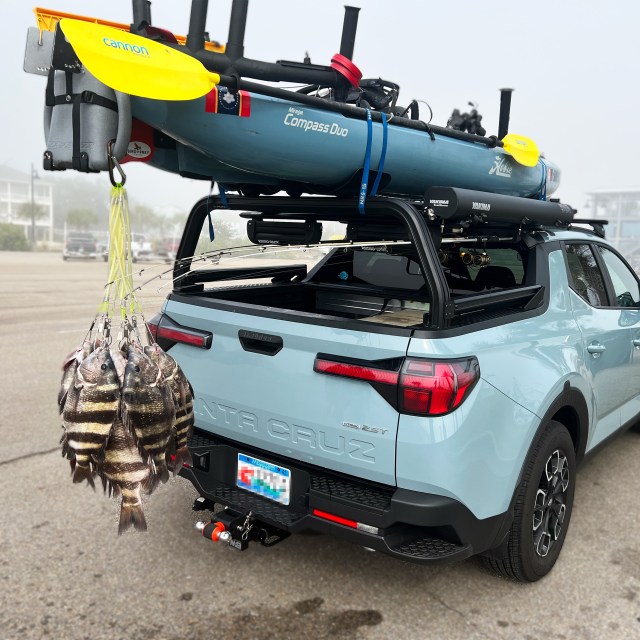
Headache Rack vs Bed Rack
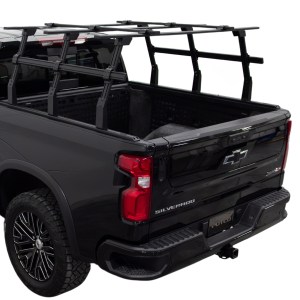
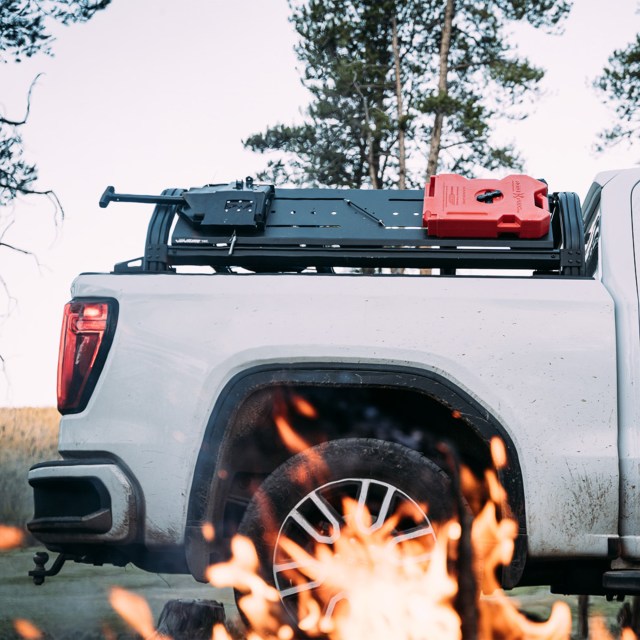
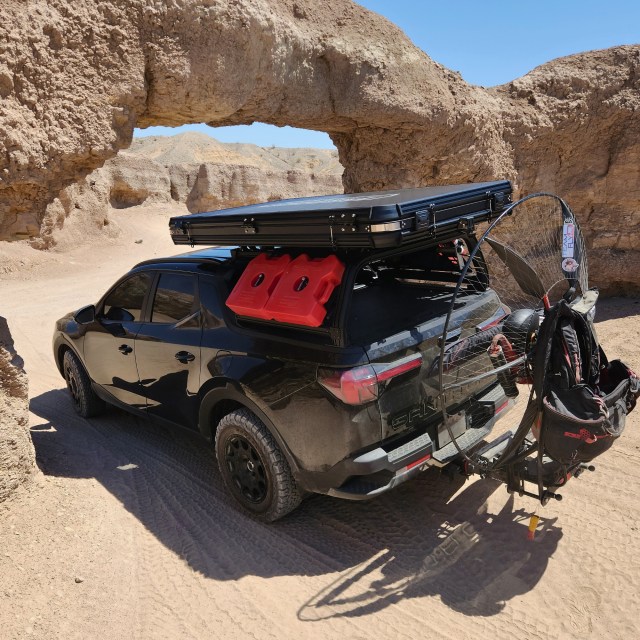
Bed racks extend across the truck bed and are commonly designed at cab height or above-cab height for elevated cargo support.
Common Bed Rack Types
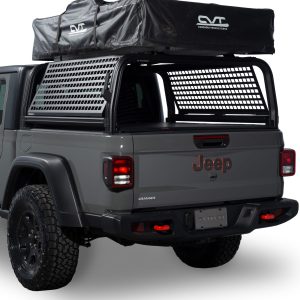
- – Full-height overland racks: designed for rooftop tents and expedition gear
- – Mid-height adventure racks: balanced cargo and accessibility
- – Half racks: partial bed coverage for mixed use setups
- – Contractor utility racks: heavy-duty commercial material hauling
Some systems integrate a headache rack front section for cab protection.
Pros
- – High cargo capacity
- – Modular accessory support
- – Strong ecosystem compatibility
Cons
- – Higher cost
- – Increased weight
- – Potential clearance limitations
Headache Rack vs Ladder Rack
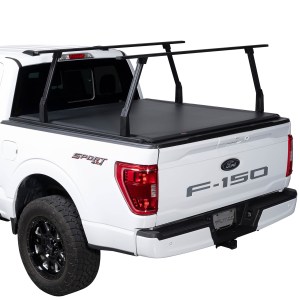
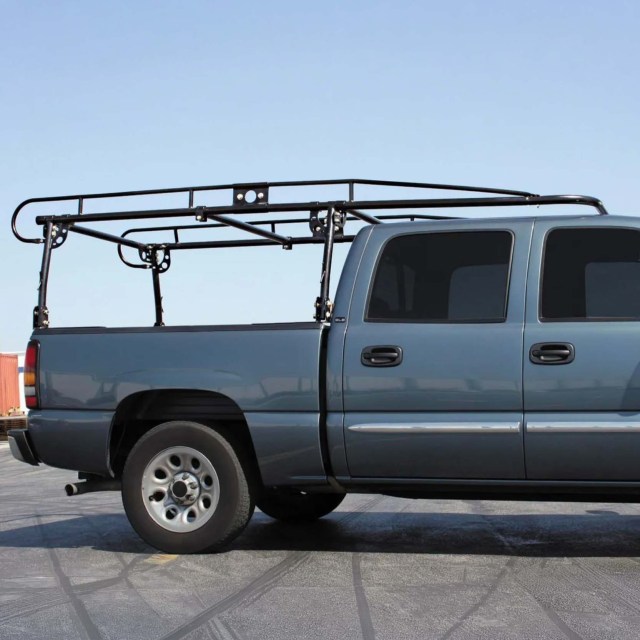
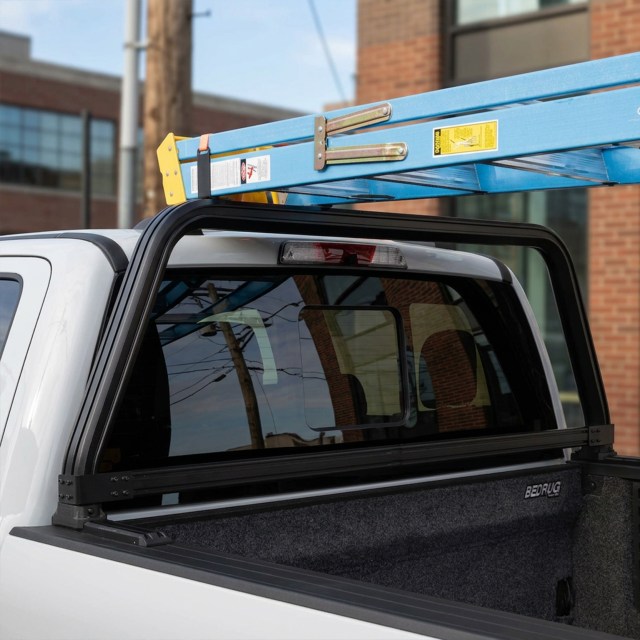
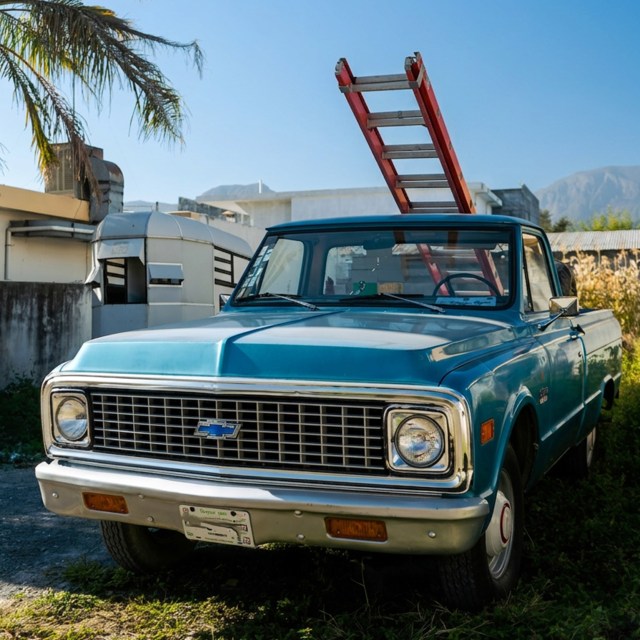
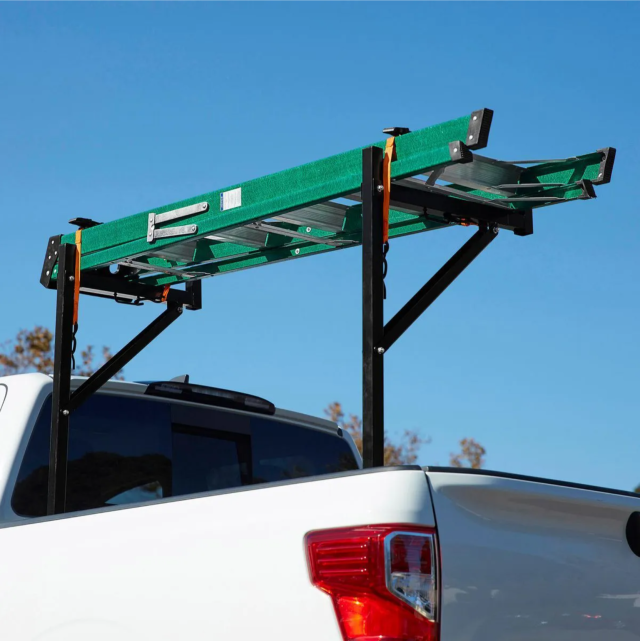
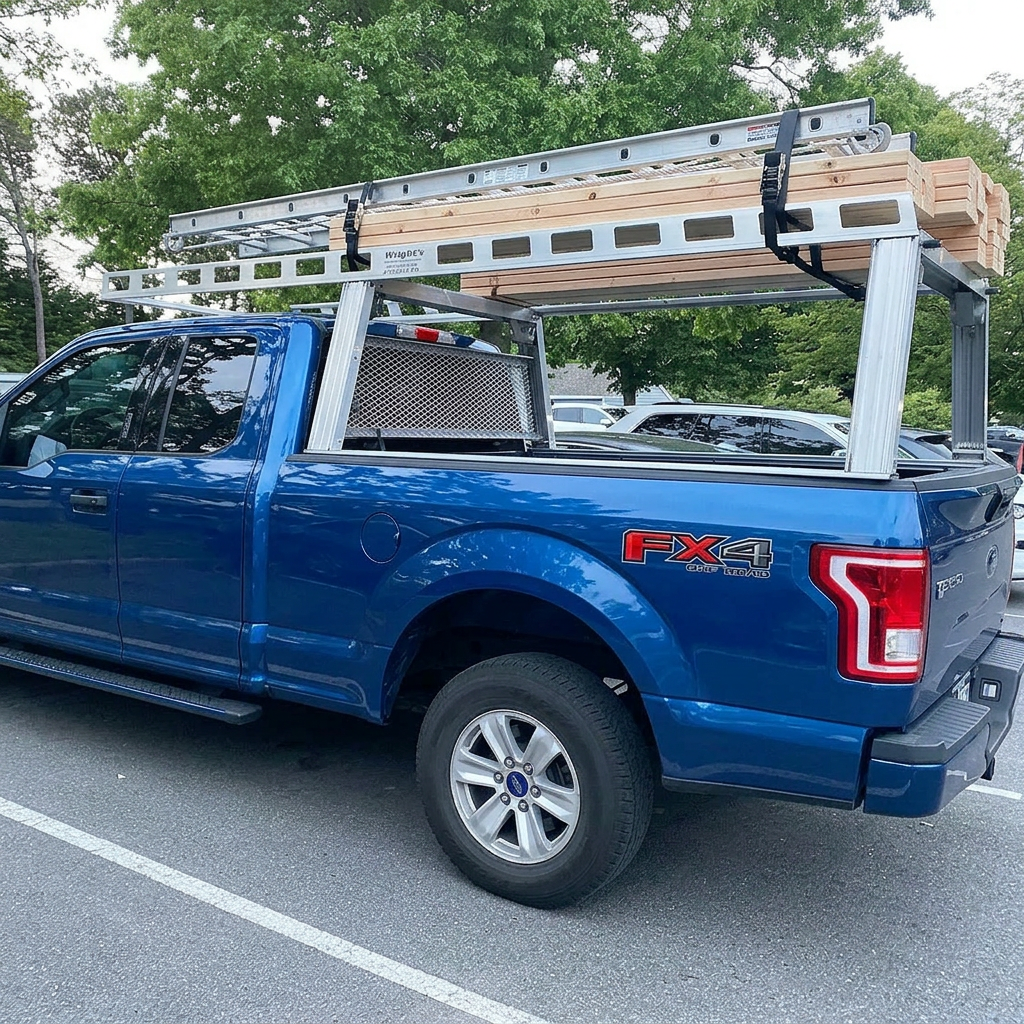
Ladder racks extend along the bed of a pickup truck and are often designed at cab height or above-cab height, with some configurations extending over the cab to support long materials such as ladders, pipe, and lumber.
Common Types
- – Full contractor ladder racks: complete elevated cargo systems with tie-down and mounting points
- – Compact rear ladder racks: low-profile rear supports for occasional long cargo hauling
- – Side-mounted systems: bed-side supports that preserve bed access while carrying long cargo
- – Over-cab extended racks: simply support longer cargo over the bed and the cab
Some integrate with headache racks for full system support.
Pros
- – Excellent long-material support
- – Strong commercial utility
- – High load capacity
Cons
- – Increased height
- – Wind resistance
- – Reduced clearance



Headache Rack vs Roll Bar
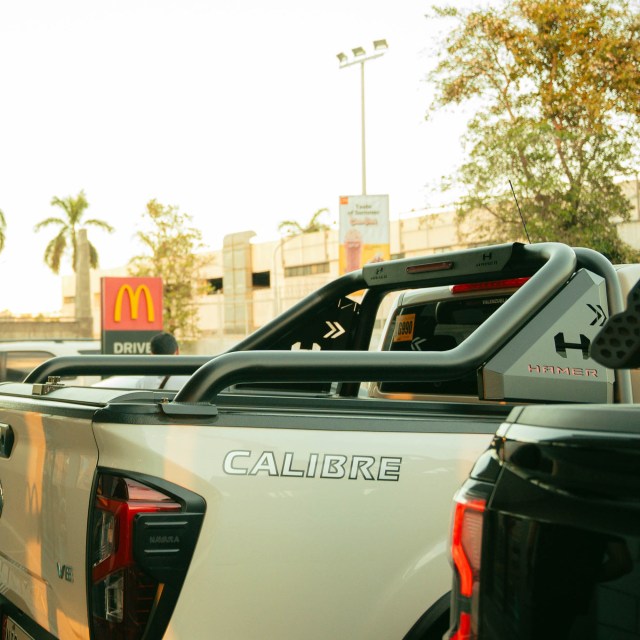
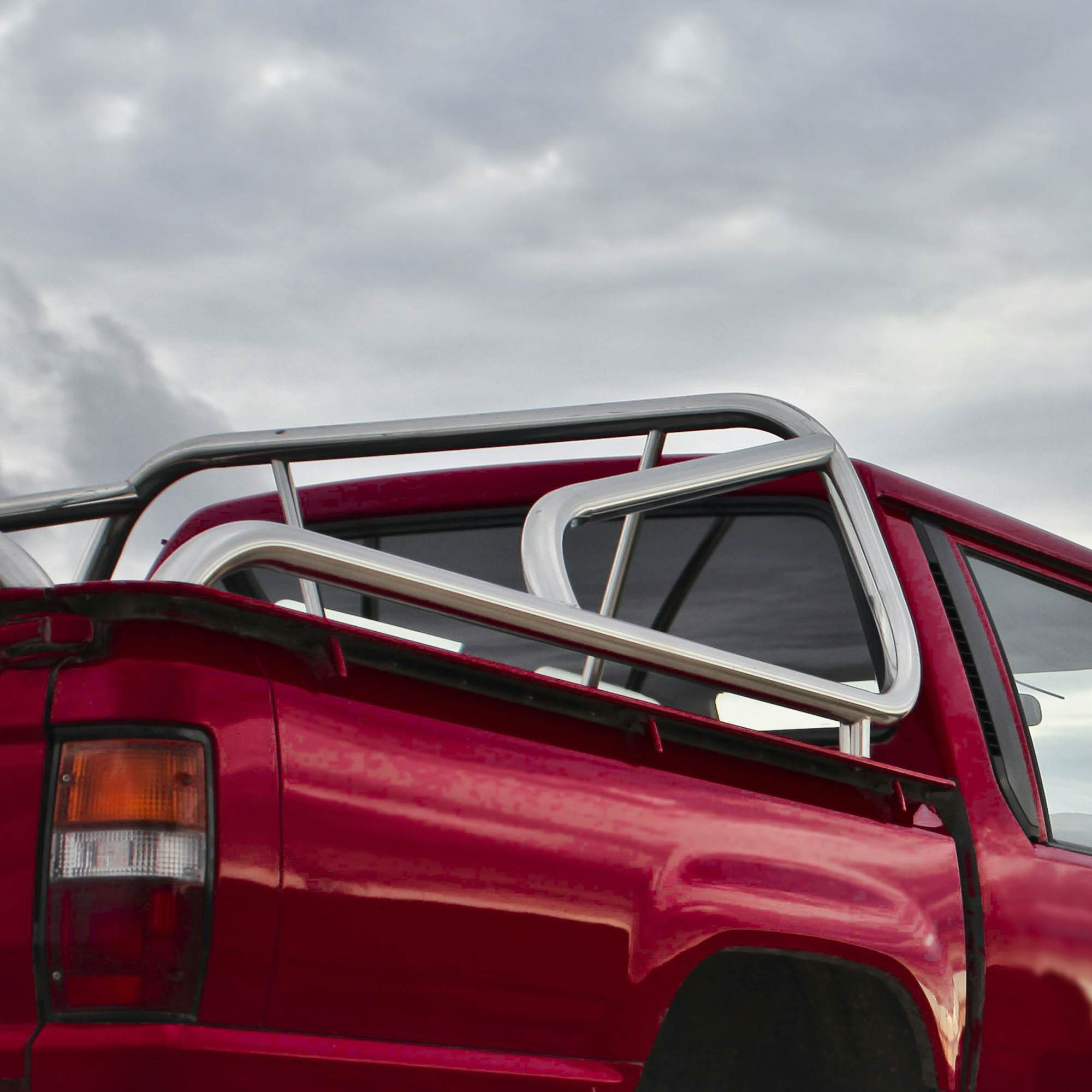
Roll bars mount to the bed of a pickup truck and are typically designed at cab height or slightly above the cab for styling, light mounting, and rear bed structure support.
Types
- – Bed-mounted interior bars
- – Bed rail-mounted sport bars
Pros
- – Styling enhancement-
- – Light mounting options
Cons
- – Limited cargo protection
- – Often designed for aesthetics only
Headache Rack vs Truck Rack Systems
“Truck rack” includes headache racks, bed racks, ladder racks, and hybrid systems.
Pros
- – Highly flexible category
- – Wide configuration range
Cons
- – Overlapping terminology
- – Fitment complexity
Types of Headache Racks
Not all headache racks are designed for the same truck owner, work environment, or hauling style. Some prioritize visibility and clean styling, while others are engineered for commercial-grade protection and heavy-duty cargo support.
Understanding the strengths and tradeoffs of each style is one of the best ways to narrow down the right setup for your truck.
Open Frame Headache Racks
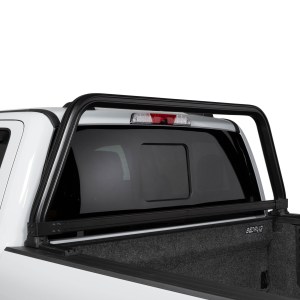
Open frame headache racks use tubular or skeletal construction with large open sections instead of full mesh or solid center panels.
These designs are popular among truck owners who want basic cab protection without dramatically affecting rear visibility or adding unnecessary weight.
Because they use less material, open frame racks are often lighter and cleaner-looking than full mesh contractor racks.
They are commonly found on:
- – Daily driver trucks
- – Light-duty work trucks
- – Tow rigs
- – Street-focused builds
- – Minimalist truck setups
Best For
- – Drivers prioritizing rear visibility
- – Lightweight truck builds
- – Occasional hauling
- – Trucks regularly towing trailers
- – Fuel-conscious owners
Pros
- – Excellent rear visibility
- – Lightweight construction
- – Cleaner appearance
- – Easier installation
- – Reduced wind resistance
Cons
- – Less protection from smaller loose cargo
- – Fewer mounting surfaces
- – Less industrial durability
- – Reduced debris containment
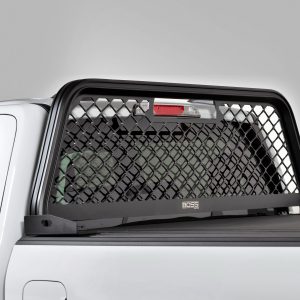
Full Mesh Headache Racks
Full mesh headache racks use expanded metal or perforated center panels to create a stronger protective barrier between cargo and the cab.
This is one of the most common designs used in commercial and contractor applications because it balances visibility with serious protection.
Expanded metal mesh helps stop smaller tools, debris, pipe, or loose equipment from entering the rear window area.
These racks are especially common in industries like:
- – Construction
- – Landscaping
- – Utility fleets
- – Oilfield work
- – Ranching
- – Municipal fleets
Best For
- – Commercial work trucks
- – Contractors
- – Fleet vehicles
- – Heavy equipment hauling
- – Frequent cargo transport
Pros
- – Excellent rear window protection
- – Better small cargo containment
- – Strong commercial appearance
- – Increased accessory mounting potential
- – Maintains usable visibility through the mesh openings
Cons
- – Heavier overall construction
- – More industrial appearance
- – Slightly reduced rear visibility compared to open-frame racks
- – Can increase wind resistance slightly
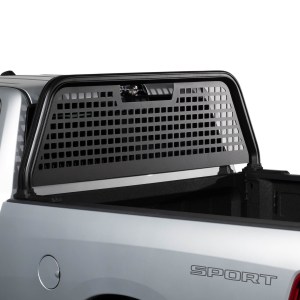
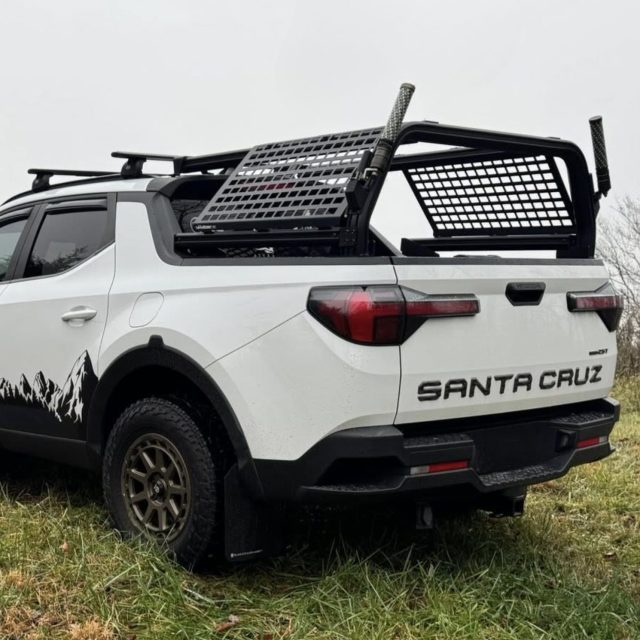
MOLLE Panel Headache Racks
MOLLE-style headache racks use modular slotted mounting systems integrated directly into the center panel section of the rack.
These patterns allow truck owners to mount:
- – Recovery boards
- – Fuel packs
- – Axes and shovels
- – Fire extinguishers
- – Camp gear
- – Accessory pouches
- – Tool mounts
- – Off-road equipment
Some MOLLE racks use one-piece welded panels, while others require partial assembly during installation.
These systems have become extremely popular in:
- – Overland builds
- – Off-road trucks
- – Adventure rigs
- – Trail-focused setups
- – Modular utility builds
Best For
- – Overlanding
- – Off-road recovery setups
- – Gear organization
- – Accessory-heavy truck builds
- – Trail rigs
Pros
- – Highly modular
- – Excellent organization
- – Large accessory ecosystem
- – Modern off-road styling
- – Strong customization potential
Cons
- – Higher cost
- – Can become cluttered if overloaded
- – Added accessory weight
- – More setup planning required
- – Some designs require additional assembly

Contractor Style Headache Racks
Contractor-style headache racks are typically heavy-duty, industrial-looking structures made from steel or reinforced aluminum tubing with mesh or solid center panels, designed for a rugged, work-truck appearance. These are engineered primarily around durability, utility, and worksite functionality.
These systems often integrate:
- – Beacon light mounts
- – Ladder rack compatibility
- – Reinforced crossbars
- – Tie-down points
- – Tool mounting options
- – Auxiliary lighting provisions
- – Heavy-duty structural tubing
Unlike more style-focused designs, contractor racks are typically built to handle daily hauling abuse and repeated loading cycles.
They are especially common among:
- – Electricians
- – HVAC technicians
- – Welders
- – Plumbers
- – Utility fleets
- – Construction crews
Best For
- – Heavy-duty work trucks
- – Commercial fleets
- – Frequent long-material hauling
- – Industrial environments
- – Utility service vehicles
Pros
- – Maximum utility
- – Excellent durability
- – Strong cargo support
- – Work-ready functionality
- – Long-term commercial value
Cons
- – Heavier construction
- – Less styling-focused
- – Increased vehicle weight
- – Can reduce fuel efficiency slightly
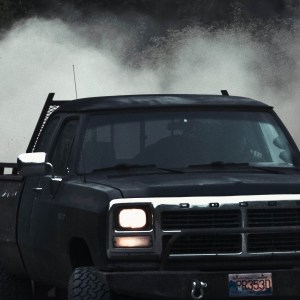
Low Profile Headache Racks
Low-profile headache racks sit at or just below cab height for a cleaner, more integrated appearance.
These designs are popular among truck owners who want added utility and protection without creating a large commercial-looking structure.
Many modern low-profile racks use aluminum construction to maintain a lightweight, streamlined design.
Best For
- – Daily drivers
- – Personal trucks
- – Modern truck builds
- – Street-oriented setups
- – Garage-kept vehicles
- – Style-conscious owners
Pros
- – Clean appearance
- – Improved aerodynamics
- – Better rear visibility
- – Lightweight options available
- – More subtle styling
Cons
- – Reduced heavy-duty capability
- – Fewer mounting points
- – Less long-material support
- – Smaller accessory ecosystem in some cases
Headache Rack Panel Designs Explained
The panel design of a headache rack affects much more than appearance. Different panel styles impact:
- – Rear visibility
- – Airflow
- – Cargo containment
- – Accessory mounting
- – Weight
- – Overall styling
Understanding these design differences helps truck owners choose a rack that better matches both function and appearance goals.
Expanded Metal Mesh
Expanded metal is one of the most traditional contractor-style headache rack designs.
This design uses stretched steel mesh to create a durable protective barrier while still maintaining rear visibility through the openings.
Expanded metal is popular because it:
- – Provides strong cargo containment
- – Resists impacts from shifting tools and materials
- – Maintains airflow
- – Creates a rugged commercial appearance
- – Retains rear visibility
Perforated Panels
Perforated panels use laser-cut or punched holes instead of expanded mesh.
These panels often provide a cleaner and more modern appearance while still maintaining airflow and visibility.
Many modern aluminum headache racks use perforated panel designs because they balance styling with functionality.
Louvered Panels
Louvered headache racks use angled slats across the center section.
These slats can:
- – Improve airflow
- – Reduce direct sunlight through the rear window
- – Create a more aggressive appearance
- – Provide partial visual shielding
Louvered designs are especially popular on modern street trucks and premium builds.
Tube Frame Designs
A subtype of open-frame design where the structure is specifically defined by visible tubular framing, emphasizing styling and structural outline rather than any panel or fill material.
These racks prioritize lightweight construction and simplified styling.
They are often used on:
- – Sport trucks
- – Tow rigs
- – Minimalist builds
- – Daily drivers
Open Center Cutout Designs
Open center racks remove much of the middle panel area to maximize rear visibility. Built on a more complete perimeter frame where a center panel would normally exist, but it is intentionally removed to improve rear visibility while maintaining a more structured, finished frame.
These designs are common among drivers who prioritize:
- – Towing visibility
- – Backup camera visibility
- – Cleaner aesthetics
- – Reduced visual obstruction
MOLLE Panels
MOLLE panels use slotted modular mounting systems designed for attaching tools, gear, and off-road equipment.
Depending on the manufacturer, these panels may be:
- – Fully welded one-piece systems
- – Bolt-on modular inserts
- – Adjustable accessory panels
Chase Rack Styling
Chase rack inspired headache racks blend off-road styling with utility.
These designs commonly feature:
- – Aggressive tubing
- – Auxiliary light mounts
- – Open side structures
- – Sport-oriented appearance
- – Off-road inspired design language
Cab Height vs Above-Cab Height
- – Below cab: styling and visibility focused
- – Cab height: balanced protection and utility
- – Above cab: maximum cargo support
Tradeoffs include visibility, clearance, and aerodynamics.
Headache Rack Features Explained
- – MOLLE systems – Modular panels for mounting tools, gear, and accessories.
- – Tie-down points – Anchor points for securing cargo and equipment.
- – Light mounts – Attachment points for work lights and light bars.
- – Beacon mounts – Preconfigured mounting locations for beacons and warning lights.
- – Mesh panels – Expanded-metal panels that protect the cab and support gear mounting.
- – Perforated panels – Precision-cut panels that combine protection with accessory mounting.
- – Stake pocket mounting – Uses factory stake pockets for a no-drill installation.
- – Bed rail mounting – Attaches directly to the truck’s bed rails, often without drilling into the truck bed.
Common Noise and Fitment Issues
- – Loose hardware
- – Poor torque installation
- – Steel contact vibration
- – Accessory rattle
- – Weight imbalance
- – Harmonic vibration in crossbars
Steel vs Aluminum Headache Racks
| Use Case | Steel | 6061-T6 Aluminum |
|---|---|---|
| Maximum impact resistance | Best | Very good |
| Resistance to bending under extreme loads | Best | Very good |
| Weight-sensitive applications | Poor fit (heavy) | Best |
| Corrosion resistance | Requires coating | Naturally corrosion-resistant |
| Work truck/fleet abuse | Best | Very good |
| Daily hauling/recreation | Overbuilt/unnecessary weight | Excellent |
| Long-term low-maintenance use | Good (if coated well) | Best |
- Steel: Preferred for the most demanding commercial and industrial applications where maximum impact resistance and durability are the highest priorities.
- 6061-T6 Aluminum: Delivers excellent strength with significantly less weight, making it ideal for most work, towing, overlanding, and recreational applications.
Steel is typically chosen when ultimate durability outweighs weight concerns, while 6061-T6 aluminum is chosen when users want a strong, corrosion-resistant rack without adding unnecessary weight to the truck.
Who Should Buy a Headache Rack?
A concise way to explain it:
Contractors
Pipe, lumber, tools, and heavy equipment transport.
Off-Road Users
Recovery gear, fuel systems, trail equipment.
Frequent Haulers
Furniture, appliances, cargo loads.
Styling Builds
Chase racks, low-profile setups, off-road aesthetics.
Fleet Vehicles
Durability, standardization, cost reduction.
Things to Consider Before Buying
Compatibility
- – Bed length: Primary fitment driver; determines rack position relative to cab and bed geometry.
- – Cab style: Affects cab clearance and rack height positioning (especially crew vs extended cabs).
- – Rail design: Determines mounting method (stake pocket, clamp-on, rail-integrated).
- – Tonneau cover compatibility: Dictates whether a hybrid or integrated system is required.
- – Stake pockets: Determines if a no-drill install is possible.
Accessory Conflicts
| System / Component | How It Conflicts with Headache Racks | Why This Matters |
|---|---|---|
| Toolbox systems | Occupy bed rail or stake pocket space | May block mounting points or require elevated/extended rack setups |
| Bed rails (clamp-on accessories) | Share the same mounting zone | Limits clamp placement, reduces adjustability, or forces repositioning |
| Ladder racks | Compete for rail mounting area | Often require integrated systems or choosing one system over the other |
| Fifth wheel setups | Use central bed and front rail space | Can restrict front rack mounts or require high-clearance designs |
| Stake pocket accessories | Occupy factory mounting points | Can eliminate no-drill installation options for racks |
| Push-up grab handles | Interfere near cab corners/rails | May cause clearance issues with rack uprights or side panels |
| Retractable tie-down systems | Use rail channels or slots | Can block clamp engagement or reduce available mounting positions |
| Mounting adapters | Stack onto existing hardware | May add height, reduce load efficiency, or complicate alignment |
Installation
Installation method plays a key role in compatibility, select the option that matches your vehicle setup and mounting preferences.
- – Stake pocket mounting
- – Bed rail mounting
- – Drill-free systems
- – Permanent bolt-on (non-drill-free) systems
Intended Use
Choose a setup that matches how you plan to use your truck and haul your gear.
- – Protection
- – Cargo management
- – Styling
- – Work utility
- – Off-road use
Are Headache Racks Worth It?
- – If you are concerned about rear window damage from shifting cargo… Yes
- – If you regularly haul long, heavy, or uneven materials… Yes
- – If you want added mounting points for lights, tools, or accessories… Yes
- – If you use your truck for work, job sites, or frequent hauling… Yes
- – If you want improved cargo organization and control… Yes
- – If you are building a rugged, off-road, or utility-focused truck setup… Yes
- – If you want a more rugged, finished look that makes the truck appear more purpose-built… Yes
- – If you want to add a more aggressive off-road or overland styling profile… Yes
- – If you want a clean, structured rear-end appearance with integrated hardware and lighting… Yes
- – If your truck is primarily used for light commuting with no cargo or build intent… Not necessarily
- – If you never carry items in the bed that could shift or move… Not necessarily
Final Thoughts
Headache racks are not a single standardized product, but a category of truck rack systems that vary widely in structure, purpose, and design intent. Because terminology often overlaps across manufacturers and styles, understanding how these systems differ is key to choosing the right setup.
In most cases, the best configuration depends less on the name of the rack and more on how the truck is used, whether for work, recreation, utility, or styling. A clear understanding of the different designs helps ensure the final setup aligns with both functional needs and overall vehicle build direction.
By breaking these systems down into clear categories, this guide also helps improve clarity in how these products are understood and discussed, making it easier to identify the right type of rack and reducing confusion caused by overlapping terminology across the industry.