Choosing the right LED strobe light bar for your vehicle is about more than brightness. It comes down to how, where, and why your vehicle needs to be seen.
Work trucks, construction fleets, utility vehicles, snow plows, tow trucks, and roadside assistance vehicles all rely on warning lighting to improve visibility and safety. But the right setup depends on your environment, your vehicle type, and the level of attention you need to create on the road or jobsite.
Before looking at specific products or models, it helps to understand the different types of warning lights, how they are used, and what makes one configuration better than another for your application.
Understand the Different Types of Vehicle Warning Lights
LED warning lights are not one-size-fits-all. Different systems are designed for different visibility needs and installation styles.
Rooftop LED Strobe Light Bars
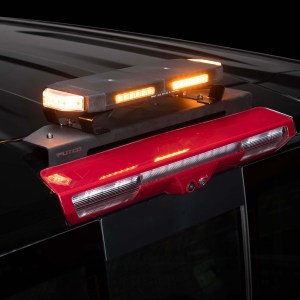
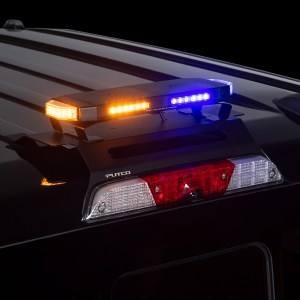
Rooftop light bars are the most visible warning light solution. Mounted on the roof or headache rack, they provide 360-degree visibility and are ideal for vehicles that need to be seen from long distances.
These are commonly used on:
- Construction trucks
- Utility fleets
- Snow plows
- Tow trucks
- Roadside assistance vehicles
Rooftop systems are typically the best choice when maximum visibility is the priority.
Surface-Mount Strobe Lights
Surface-mount lights are installed directly onto the exterior of a vehicle. They are smaller, more targeted, and often used as part of a larger warning system.
They are commonly used for:
- Side visibility on service trucks
- Supplemental warning coverage
- Fleet vehicles needing multiple light points
A good example of this category includes compact strobe systems like the Stinger series, which are designed for durable surface installation on work vehicles.
Concealed or Hideaway Strobe Lights
Hideaway lights are installed inside existing factory lighting housings such as headlights, taillights, or grille areas. They remain hidden until activated.
They are often used when a clean exterior appearance is important but warning capability is still required.
Typical applications include:
- Fleet sleeper vehicles
- Municipal vehicles
- Security or enforcement support vehicles
- Stealth-style warning setups
Tailgate and Rear Warning Lights
Rear-facing warning systems improve visibility for vehicles operating in traffic or roadside environments. These are especially useful for protecting workers from approaching traffic.
One example of this category is rear light systems like the Work Blade style products, which focus on improving visibility from behind the vehicle and enhancing safety during roadside stops or work operations.
Choosing the Right Warning Light Color
Color plays a major role in how quickly and clearly other drivers recognize your vehicle.
Amber
Amber is the most widely used warning light color across all industries.
It is ideal for:
- Construction vehicles
- Snow plows
- Tow trucks
- Utility fleets
- General work trucks
Amber signals caution and is widely recognized as a non-emergency warning color.
White
White lighting is often used to increase brightness and improve visibility in combination with other colors.
It is commonly used for:
- Scene illumination
- Jobsite lighting
- Increasing contrast in flash patterns
Green
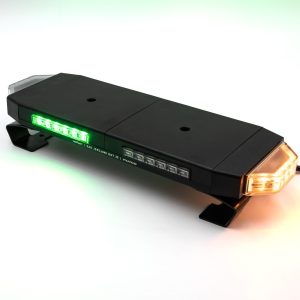
Green is increasingly used in utility and service fleets as a high-visibility alternative.
It is useful for:
- Utility operations
- Security vehicles
- Situations where differentiation from standard traffic lighting is needed
Green stands out in both urban and high-traffic environments.
Blue
Blue is one of the most attention-grabbing warning colors available.
However, it is often restricted to authorized emergency or special-use vehicles depending on state regulations. Always verify local laws before selecting blue lighting.
Consider Your Operating Environment
Where your vehicle operates should strongly influence your lighting setup.
Highway Operations
High-speed traffic requires fast recognition and long-distance visibility. Larger light bars and multi-color systems are often preferred in these environments.
Construction Sites
Construction zones include dust, equipment, and visual clutter. Amber-based systems are commonly used because they remain highly visible in busy jobsite conditions.
Snow and Winter Conditions
Snow can reduce contrast and reflect light in unpredictable ways. Combining multiple colors can help improve visibility in whiteout or low-contrast environments.
Urban Environments
Cities introduce visual noise from streetlights, brake lights, and storefront lighting. High-output or multi-color systems help improve recognition in these conditions.
How Much Visibility Do You Need?
Different vehicles require different levels of warning coverage.
Basic Visibility Needs
For light-duty or occasional use, a simple warning light system may be enough to alert nearby drivers.
Standard Work Truck Use
Most fleet and contractor vehicles require consistent, daily-use warning lights that perform reliably in all conditions.
Maximum Visibility Requirements
High-risk environments such as highways, roadside recovery, and large-scale fleet operations often require full rooftop lighting systems combined with additional warning lights for full coverage.
Choosing the Right Size Light Bar
Size affects both visibility and mounting flexibility.
16 Inch Light Bars
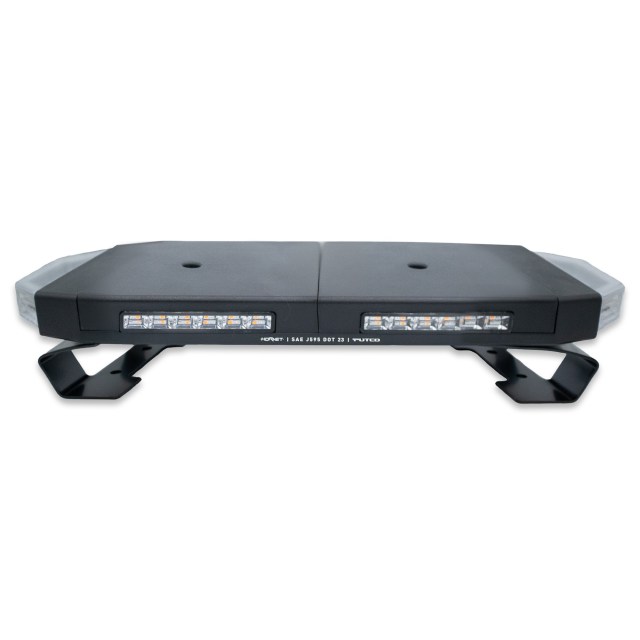
Best for compact trucks, midsize pickups, UTVs, and tight mounting areas such as third brake light brackets.
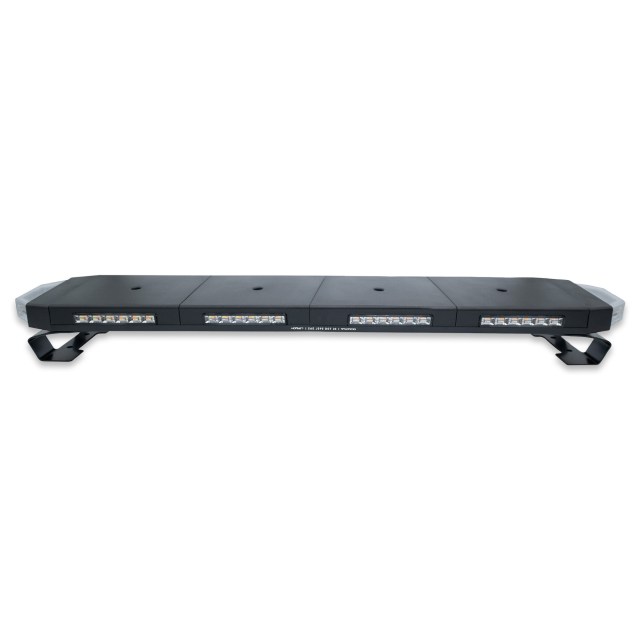
24 Inch Light Bars
The most common size for pickup trucks and service vehicles. This size balances visibility and mounting versatility.
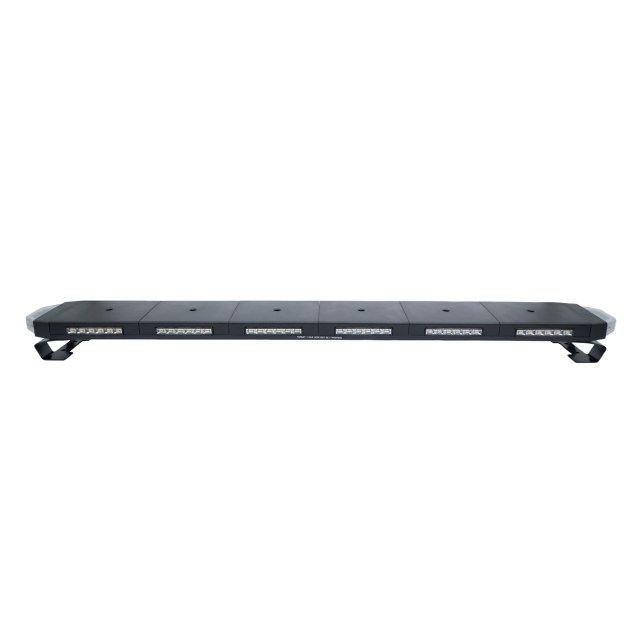
36 Inch Light Bars
Designed for full-size trucks and utility vehicles that need wider light coverage across the roofline or headache rack.
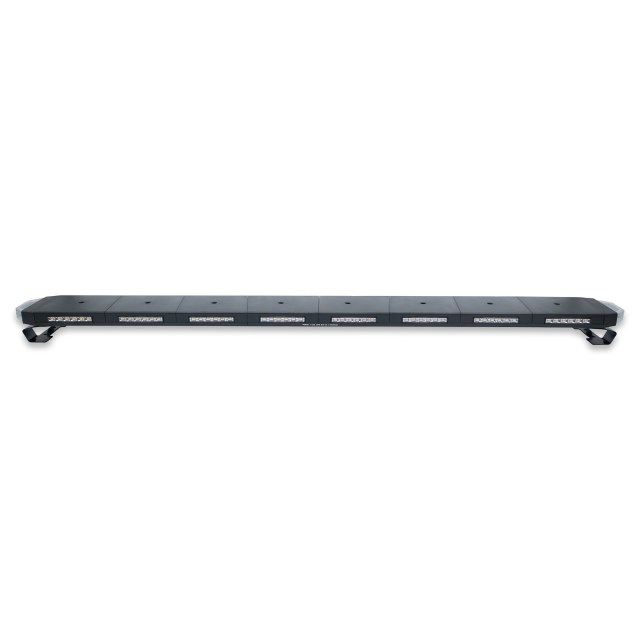
48 Inch Light Bars
Best for heavy-duty trucks, tow trucks, and commercial fleet vehicles that require maximum visibility on highways and large job sites.
Mounting Options to Consider
Proper mounting ensures both safety and performance.
Common mounting methods include:
- Roof-mounted brackets
- Headache rack or rear rack systems
- Third brake light mounting kits
- Magnetic temporary mounts
- Grille or front-end mounting options
- Integrated vehicle-specific brackets
Permanent mounting systems are generally preferred for fleet and commercial use due to stability and reliability.
Common Mistakes to Avoid
Many buyers choose the wrong lighting setup by focusing on the wrong factors.
Avoid these common mistakes:
- Choosing brightness instead of real-world visibility
- Ignoring local lighting regulations
- Selecting the wrong color combination for the job
- Using temporary mounts for permanent fleet use
- Undersizing the light bar for the vehicle type
- Overcomplicating systems that only need basic functionality
What Type of LED Strobe Light Bar Is Right for You
The best choice depends on your application.
If you need simple, reliable work truck visibility, amber-based systems are often the most practical and widely accepted.
If you operate in environments where additional contrast is needed, multi-color systems can improve recognition in challenging conditions such as snow, dust, or urban traffic.
If your priority is maximum visibility and adaptability across multiple job types, rooftop LED strobe light bars with expanded color and pattern control offer the most flexibility.
Next Step
Once you understand the type of warning lighting your vehicle needs, the next step is comparing specific solutions such as rooftop light bars, surface-mount strobes, concealed lighting systems, and rear-facing warning lights. Each system is designed to solve a different visibility challenge, and the right combination often depends on how and where your vehicle operates.
Choosing the Right Size
16 inch LED light bar
Best for compact trucks, midsize pickups, UTVs, and tight mounting areas such as third brake light mounts or small headache racks. Ideal when a low-profile rooftop strobe light is needed.
24 inch LED light bar
The most common size for pickup trucks, service trucks, and fleet vehicles. Balances visibility, mounting flexibility, and cost.
36 inch LED light bar (Tri-Color and Green Hornet only)
Designed for full-size trucks, contractor rigs, and utility vehicles that need increased output and wider light spread across the roofline or headache rack.
48 inch LED light bar (Tri-Color and Green Hornet only)
Maximum visibility for heavy-duty trucks, work fleets, tow trucks, and commercial vehicles. Best for high-speed roads, large job sites, and maximum warning presence.